






Emergency Move-Outs in Palmers Green: Fast Removals
Posted on 18/06/2026

When a move suddenly becomes urgent, everything can feel louder, faster, and slightly more chaotic than it should. One minute you are sorting a few boxes; the next you are dealing with a last-minute notice, a tenancy issue, a damaged timeline, or a change of plan that simply cannot wait. That is exactly where Emergency Move-Outs in Palmers Green: Fast Removals come in. The aim is simple: get you out safely, quickly, and with as little stress as possible.
This guide explains how emergency removals work in Palmers Green, who they suit, what to prioritise, and the mistakes that can turn a rushed move into a messy one. You will also find a practical checklist, a comparison table, and realistic advice for handling awkward items, parking pressure, and those very human moments when the clock seems to be winning.
Why Emergency Move-Outs in Palmers Green: Fast Removals Matters
An emergency move is not just a faster version of a normal house move. It is a different kind of job altogether. Time is tighter, decisions are sharper, and the margin for error gets smaller by the minute. In Palmers Green, that often means working around narrow streets, shared entrances, flats with awkward stairways, and parking that disappears just when you need it most. If you have ever watched a van circle the block while you are carrying a kettle and three half-taped boxes, you will know the feeling.
Fast removals matter because delay creates knock-on problems. You may face landlord deadlines, access windows, building management rules, storage pressure, or the simple reality that you cannot stay where you are. A quick response can stop a difficult situation from becoming an expensive one. It can also protect fragile belongings, reduce lifting risks, and give you a clean line of sight to the next stage.
There is also the emotional side, which people underestimate. Emergency moves often happen at the end of a stressful week, not at the start of a neat plan. A calm, structured removal service can give you back a bit of control. That matters more than people think.
Expert summary: the value of an emergency move-out is not speed alone. It is speed with coordination, safe handling, local awareness, and enough flexibility to deal with the unexpected without losing the day.
If you want to understand the wider service landscape before acting, it may help to review the full range of removal services in Palmers Green and, if time is critical, the dedicated same-day removals option.
How Emergency Move-Outs in Palmers Green: Fast Removals Works
Emergency removals usually follow a compressed version of the normal moving process. Instead of spending days fine-tuning everything, you focus on the essentials first: what must go, what can wait, what needs disassembly, and what needs extra care. Then the removal team plans the quickest safe route from property to van to destination or storage.
In practical terms, the process often looks like this:
- Initial call or enquiry: you explain the situation, timeline, property type, and main items.
- Rapid assessment: the team checks access, vehicle needs, item count, and any awkward pieces like sofas, beds, pianos, or white goods.
- Booking and timing: a slot is set as quickly as possible, sometimes the same day, sometimes as soon as a workable window opens.
- Arrival and loading: movers prioritise safe packing, lifting, and loading in a sequence that avoids wasted movement.
- Transport and delivery: items go to the new address, storage, or another agreed location.
- Final check: you confirm that nothing essential has been left behind.
Speed does not mean rushing in a careless way. Good fast removals are methodical. Boxes are grouped. Furniture is wrapped. Door frames are protected if needed. The best teams keep communication clear, because in an emergency you do not need vague reassurance; you need straight answers.
For a better sense of how urgent jobs are typically handled in the area, the article on what to expect from same-day removals in Palmers Green is a useful companion read.
Key Benefits and Practical Advantages
Emergency move-outs are often chosen because the alternative is worse. That said, they bring some clear advantages beyond simply making a deadline.
- Faster relief: you get the move underway before the situation escalates.
- Less personal strain: heavy lifting, awkward stairwells, and multiple van runs are handled professionally.
- Better chance of protecting valuables: fewer improvised decisions usually means fewer chips, scratches, and broken bits.
- Reduced downtime: especially important for tenants, students, and small businesses.
- Flexible problem-solving: if storage, access, or timing changes, a good team can adjust quickly.
- Cleaner handover: faster removal can help you focus on cleaning, inspection, or key return duties.
There is one more benefit worth mentioning: emergency removals can actually reduce panic. Not all of it, obviously. No one is pretending a rushed move is a spa day. But once the main load is moving, the mind tends to settle a little. You stop firefighting and start finishing.
For households moving larger pieces, it also helps to combine the urgent move with specialist support such as furniture removals in Palmers Green or, for delicate instruments, piano removals. That kind of matching matters when the clock is tight.
Who This Is For and When It Makes Sense
Emergency move-outs are not for every situation, but they are a very good fit for some. The obvious cases are last-minute tenancy changes, eviction deadlines, breakups, urgent work relocations, or sudden property access issues. Less obvious, but just as real, are moments where you simply cannot keep living around boxes and broken routines any longer.
It makes sense when:
- you have only a short window to vacate a property;
- you need same-day or next-day removal support;
- you have bulky or fragile furniture that cannot be shifted safely alone;
- you are moving from a flat with difficult access;
- you need part of your belongings stored temporarily;
- you want help handling the physical side while you sort the paperwork and handover.
In Palmers Green, this often applies to flat moves, student moves, and smaller homes where access is tight but the item count is still surprisingly large. People assume "just a quick move" means less effort. Then the mattress won't fit round the corner, the wardrobe legs won't behave, and suddenly the afternoon is gone. Funny how that happens.
If you are moving out of a compact property, the pages on flat removals in Palmers Green and student removals can help you judge the right level of support.
Step-by-Step Guidance
If time is short, you need a sequence that is practical rather than perfect. Here is the order that usually works best.
1. Decide what must leave first
Start with essentials: documents, medicines, keys, chargers, toiletries, and anything that would create a real problem if left behind. Then move to high-priority furniture and daily-use items. Do not spend too long debating the nice-to-have things. A rushed move rewards decisions, not perfection.
2. Separate keep, move, store, and discard piles
This sounds obvious until you are standing in a hallway with six half-open bags. Keep the categories physically separate. If something is going into storage, mark it clearly. If something is being discarded, do not let it drift back into the "maybe" pile.
A useful decluttering reminder is the guide to essential decluttering hacks for movers. In emergency situations, decluttering is less about lifestyle minimalism and more about reducing the number of decisions you have to make under pressure.
3. Pack the non-essentials first
Use sturdy boxes, label the sides, and keep one room at a time if possible. Kitchen items, books, cables, small decor, and off-season clothes can usually be packed quickly. If you are short on materials, a well-timed supply of boxes is often worth more than another hour of frantic searching. That is why many people book packing and boxes support early in the process.
4. Deal with awkward furniture separately
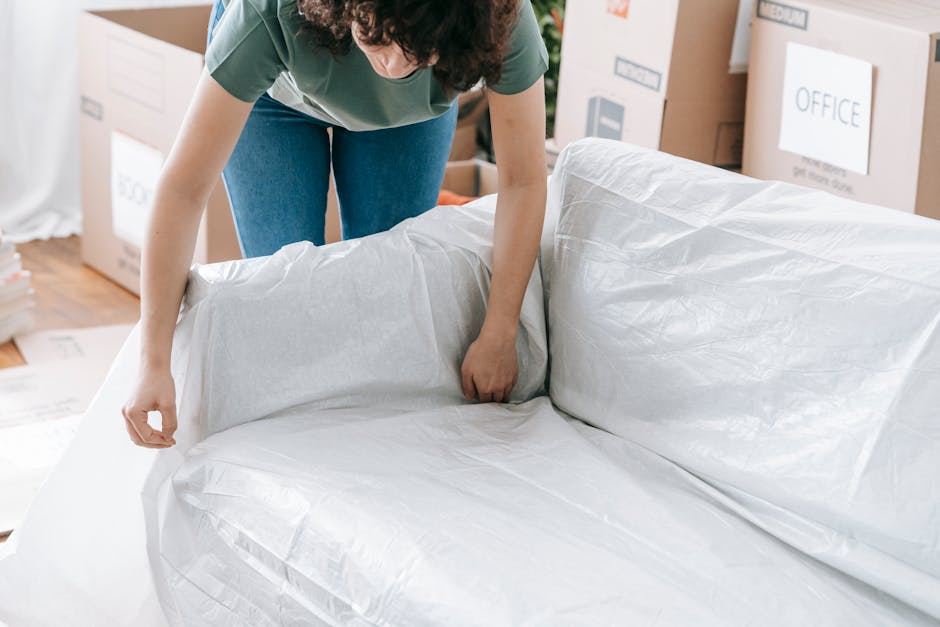
Sofas, beds, mattresses, wardrobes, and pianos should be assessed before lifting begins. Some items need disassembly. Others need protective wrapping or two-person handling. A sofa dragged through a doorway in a hurry is how walls get scuffed and moods go south. If you need sofa advice, the article on storing your sofa properly is helpful, especially if the item is going into storage between properties.
5. Plan access and parking
Emergency moves in Palmers Green can stall if the van cannot stop near the entrance. Check where the vehicle can load, how far items must be carried, whether there is a lift, and whether parking restrictions will interfere. For local context, the parking and access guide for Palmers Green Triangle moves is especially relevant.
6. Move the most critical items safely
Do not let urgency override lifting technique. Protect your back, your grip, and your floor surfaces. If something is genuinely heavy or awkward, get help. There is no medal for trying to be heroic with a fridge at the end of a stressful day. The move should be quick, yes, but not reckless.
For practical lifting advice, see kinetic lifting techniques and the guide on lifting heavy loads alone.
7. Confirm the destination or storage plan
Sometimes an emergency move is not about going straight to a final home. It is about getting out quickly and placing goods into secure storage for a few days or weeks. If that is your plan, it needs to be agreed before loading starts, not halfway through the van journey when everyone is already hot and tired.
You can read more about storage in Palmers Green if a temporary holding solution makes sense for your move.
Expert Tips for Better Results
There are a few small habits that make emergency removals smoother. None of them are glamorous. All of them save time.
- Keep one clear bag for essentials. Put ID, wallet, chargers, medication, snacks, and keys in it. You will thank yourself later.
- Photograph valuable items before loading. That helps you remember condition and placement.
- Label by room and priority. A simple "kitchen - first use" or "bedroom - storage" note is often enough.
- Wrap fragile items before the van arrives. Every minute saved at the door matters.
- Measure doorways if there is any doubt. Sometimes a two-minute check saves a twenty-minute wrestle.
- Tell the team about stairs, access codes, or lift restrictions in advance. Hidden delays are the enemy.
One quiet trick is to think in terms of movement flow, not boxes. Which item leaves the room first? Which path is safest? Which item blocks the others? That mindset helps more than trying to make the space look tidy halfway through. Honestly, neatness can wait.
If you are moving a bed or mattress during a rushed move, the article on securely moving a bed and mattress is worth a look. For particularly awkward household appliances, the freezer guides on protecting your freezer during off periods and keeping your freezer ready for use with proper storage are useful references.

Common Mistakes to Avoid
Emergency moves go wrong for fairly predictable reasons. Most of them come down to rushing the wrong part of the job.
- Leaving packing too late: last-minute boxing usually creates weak cartons and lost items.
- Underestimating access: narrow hallways, awkward turns, and parking can eat time fast.
- Trying to move everything yourself: this is where injuries and property damage creep in.
- Not checking what must stay behind: keys, cleaning equipment, bins, and meter access are easy to forget.
- Forgetting about storage: if the new place is not ready, you need a plan B before the van arrives.
- Choosing the cheapest option without context: low cost can be fine, but not if it means gaps in service or hidden extras.
There is also the classic mistake of assuming the move is over once the last box is in the van. It is not. You still need handover checks, final room sweeps, and a quick look behind doors and under beds. The number of times a charger is left behind under a pillow... not rare, let's say that.
For a fuller view of the final prep stage, the guide to effective home cleaning strategies before move-out is a sensible read. It pairs well with emergency removals because it helps you avoid the awkward "we moved out but the property still needs work" moment.
Tools, Resources and Recommendations
Fast removals are easier when you have the right basic kit ready. You do not need a warehouse. You need a few reliable items and a clear plan.
| Tool or Resource | Why It Helps | Best Use in an Emergency Move |
|---|---|---|
| Strong boxes | Protect items and speed up loading | Books, kitchenware, small household goods |
| Packing tape | Keeps boxes secure | Sealing fast without box failure |
| Labels or marker pens | Makes sorting easier | Room-by-room and priority marking |
| Blankets and wraps | Reduce scratches and knocks | Furniture, appliances, delicate surfaces |
| Basic toolkit | Helps with quick disassembly | Beds, tables, shelving, occasional furniture |
| Storage option | Buys time when the next property is not ready | Temporary holding of non-essential items |
On the service side, some people need a straightforward vehicle and a few helping hands, while others need a larger, more managed move. If you are weighing options, pages such as man with a van in Palmers Green, man and van, and removal van hire can help you compare how much support you actually need.
If the job is broader than one van load, you may prefer a fuller team through removals in Palmers Green or a broader removal services solution. And if you want to understand the company first, the about page is a good place to start.
Law, Compliance, Standards, or Best Practice
In an emergency move, people often focus so hard on speed that safety and paperwork slip into the background. That is understandable, but it is not ideal. Any legitimate moving process should still respect basic duties around safe handling, access, vehicle loading, and the condition of the property being left.
In plain English, best practice usually includes:
- Safe lifting and carrying: reducing avoidable strain and using assistance for heavy items.
- Proper loading: securing items so they do not shift in transit.
- Careful handling of shared spaces: protecting communal areas, walls, and doors where needed.
- Clear service terms: making sure both sides understand timing, scope, and responsibilities.
- Appropriate insurance and safety awareness: not guessing, not improvising, and not ignoring risk.
You do not need to memorise regulations to move safely, but you do need to work with people who treat safety as part of the job, not as a box-tick at the end. That matters especially in narrow Palmers Green streets and apartment blocks where one bad lift can cause a bigger issue than the original move itself.
If you are comparing providers, it is also wise to read about insurance and safety, health and safety policy, and the terms and conditions so you know what is covered and what is not. Payment clarity matters too, so the payment and security page is worth checking before you confirm anything.
Options, Methods, or Comparison Table
Not every urgent move needs the same level of support. Here is a straightforward comparison to help you choose the right route.
| Option | Best For | Strengths | Limitations |
|---|---|---|---|
| Man and van | Smaller loads, flexible short-notice jobs | Quick, practical, often ideal for one or two rooms | May not suit very large or complex moves |
| Full removals team | Homes with more furniture, stairs, or time pressure | More hands, more coordination, better for awkward items | Usually needs a little more planning |
| Same-day removals | Immediate deadlines and sudden changes | Fast response, focused execution | Availability can be tighter during busy periods |
| Storage-led move | When the next property is not ready | Buys time and reduces pressure | Requires a second step later on |
To be fair, the right answer is often a mix. A small flat move might need a van, two helpers, and short-term storage. A house move near Green Lanes might need a more structured removal plan with parking coordination. The "best" option is the one that fits the actual problem, not the one that sounds simplest on paper.
For more local context, you may also find these helpful: the Green Lanes moving guide, moving near Broomfield Park, and avoiding hidden fees in removals.
Case Study or Real-World Example
Picture a flat in Palmers Green on a damp Thursday morning. The tenant receives short notice and needs to leave by the end of the day. There is a bed, a small sofa, kitchen boxes, a freezer, and several bags of mixed household items. Nothing outrageous, but enough that a solo lift would be a bad idea.
The first smart move is triage. The tenant keeps one essentials bag, separates documents and valuables, and identifies the furniture that must go immediately. The sofa is checked first because it is awkward to carry and may need protection. The freezer is dealt with carefully so it can be moved without damaging the contents or the appliance itself. The team plans parking before arrival, because in that stretch of London, a lost parking space can become a very real delay.
With the major items handled, the remaining boxes are loaded in room order. A few non-essentials are put into storage rather than rushed into the new place. The result is not magical; it is just organised. The move still feels intense, but it does not become chaotic. The day ends with the handover completed and the tenant able to breathe again. Small victory, big relief.
That is the heart of an effective emergency move-out: fewer decisions on the fly, more careful prioritisation, and a team that understands how to keep the process moving without turning it into a scramble.
Practical Checklist
Use this checklist if you need to move quickly and want to avoid the usual panic spiral.
- Confirm your deadline and the exact time you must vacate.
- Make one essentials bag with keys, ID, medication, chargers, and documents.
- Separate items into keep, move, store, and discard.
- Pack non-essentials first and label boxes clearly.
- Identify awkward items like sofas, beds, pianos, and white goods.
- Check access and parking for the property and the van.
- Arrange lifting help for anything heavy or awkward.
- Decide whether storage is needed before the van arrives.
- Take quick photos of valuables and fragile items.
- Do a final room-by-room sweep before leaving.
If you want help getting the move organised quickly, the most direct next step is to review the available removal options and then get a plan in motion. No one enjoys doing emergency admin twice.
Get a free quote today and see how much you can save.
Conclusion
Emergency move-outs are rarely anyone's ideal day. Still, with the right structure, they can be handled safely, quickly, and with far less stress than people expect. The key is to keep the process grounded: decide fast, pack smart, protect the awkward items, and work with people who understand the local realities of Palmers Green.
If you are facing a sudden deadline, do not wait for the situation to sort itself out. It usually does not. Start with the essentials, use the right support, and give yourself the best chance of a smooth exit. Even a rushed move can be managed well, and that little bit of order goes a long way when everything else feels up in the air.
And honestly, once the last box is down and the keys are handed over, the relief is hard to describe. Quiet, solid, and well earned.

