Ultimate Moving Guide for Green Lanes, Palmers Green
If you are planning a move in or around Green Lanes, Palmers Green, you already know the challenge is rarely just "getting boxes from A to B". The real job is managing timing, access, parking, lifting, packing, and all the small decisions that can turn a simple relocation into a stressful day. This Ultimate Moving Guide for Green Lanes, Palmers Green is designed to help you do it properly: calmly, efficiently, and with fewer surprises on the day.
Whether you are moving out of a flat, upgrading to a family home, relocating a small office, or arranging a last-minute move, the steps below will help you plan with confidence. You will also find practical links to useful support pages, including removal services in Palmers Green, packing supplies, and clear pricing and quotes if you want to compare your options before you commit.
Short version: plan access first, declutter early, pack by room, protect awkward items, and confirm the moving vehicle can reach the property without drama. That one bit of prep saves a surprising amount of time.
Table of Contents
- Why this moving guide matters in Green Lanes, Palmers Green
- How the moving process works
- Key benefits and practical advantages
- Who this guide is for
- Step-by-step guidance
- Expert tips for better results
- Common mistakes to avoid
- Tools, resources and recommendations
- Law, compliance, standards and best practice
- Options and comparison table
- Case study example
- Practical checklist
- Conclusion
- Frequently asked questions
Why this moving guide matters in Green Lanes, Palmers Green
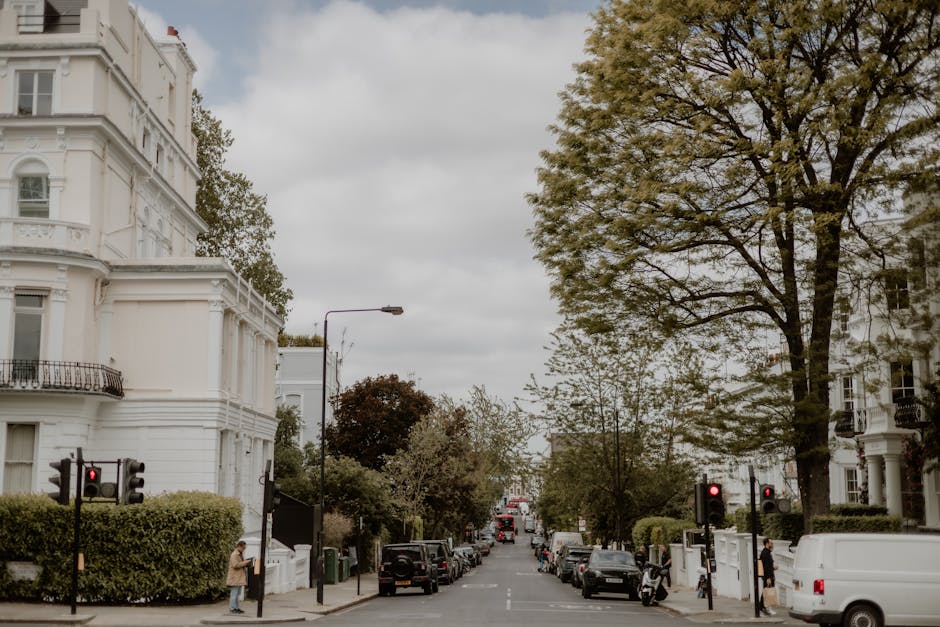
Green Lanes and the wider Palmers Green area have a very specific moving character. Many homes sit on busy residential streets, near mixed-use high streets, or within properties where access is tighter than you would like. That means a move here is often about logistics as much as transport. If you ignore that reality, you can lose time before the first box is even moved.
This matters because moving day pressure usually comes from two places: access constraints and unprepared belongings. A sofa that will not clear a doorway, a van that cannot stop close enough, or a fridge that still contains food can all create avoidable delays. It is rarely one huge mistake. Usually it is five small ones stacking up.
For local moves, the best approach is to think like a planner. Where will the vehicle stop? Which items need dismantling? What can be packed in advance? Who will be available to help? A good moving plan reduces risk, protects your belongings, and makes the day feel manageable rather than chaotic.
If you need broader guidance on the moving process itself, the article navigate your house move with ease and calm is a useful companion read, especially if you are trying to build a smoother timeline.
How the moving process works
At its simplest, a move has four stages: preparation, packing, loading, and delivery. In reality, there are smaller steps inside each one. The more clearly you understand them, the easier it becomes to avoid bottlenecks on moving day.
1. Preparation
This is where you decide what is actually moving. You sort, declutter, measure large items, confirm keys or access, and establish any special handling needs. If you are moving from a flat or maisonette, this stage matters even more because stairs, entry points, and parking availability can affect the vehicle choice.
2. Packing
Good packing is not about stuffing as much as possible into a box. It is about weight distribution, labelling, and protection. Fragile items need cushioning. Heavy items need smaller boxes. Seasonal items, documents, cables, and chargers should be grouped in a way that makes unpacking logical rather than mysterious.
3. Loading
Loading is where efficiency meets safety. Bulky pieces should be loaded first and secured properly. Delicate items should not be crushed under awkward furniture. If a sofa, mattress, or piano is involved, the loading plan becomes more technical, which is why specialist help can be worth it.
4. Delivery and placement
Delivery is not finished when the van arrives. The best moves end with furniture positioned where it belongs, essential boxes clearly marked, and high-priority items easy to find. If you have children, work-from-home equipment, or medication to unpack quickly, those should be identified before the first box leaves the old property.
For packing structure, the guide to crafting a better packing plan for your house move is especially helpful because it turns a vague task into a practical sequence.
Key benefits and practical advantages
The obvious benefit of a well-run move is lower stress. But the real value runs deeper than that. Good planning protects your time, your belongings, and sometimes your budget as well.
- Less wasted time: When boxes are labelled and access is planned, there is less standing around wondering what happens next.
- Lower risk of damage: Proper wrapping, correct lifting, and sensible loading reduce the chance of broken items and scuffed walls.
- Better use of space: A well-packed van can usually carry more securely than a rushed one, which can help keep the move efficient.
- More control over the day: Clear roles and timing prevent confusion and duplicated effort.
- Faster unpacking: If your essentials are separated, the first evening in the new place is much easier.
There is also a mental benefit people underestimate. A move that feels structured is easier to recover from. You are not trying to solve five problems at once. You are simply following a plan.
For heavier household pieces, the article on solo heavy object lifting techniques is worth reading, though in many cases a two-person lift or professional support is the safer choice.
Who this guide is for and when it makes sense
This guide is useful for almost anyone moving within Palmers Green or into the area, but it is especially relevant if you fall into one of these groups:
- Flat movers: If you are dealing with stairs, narrow hallways, or limited parking, a structured plan is essential.
- Families: More people means more belongings, more coordination, and a stronger need for clear packing zones.
- Students and young professionals: Smaller moves can still become chaotic if they are last-minute or poorly packed.
- Homeowners relocating locally: Even short-distance moves can be demanding when furniture, appliances, and fragile items are involved.
- Small businesses and home offices: Work equipment, files, and electronics need a careful order of priority.
It also makes sense if you are still deciding between a DIY move, a man and van service, or a full house removals option. The right choice depends on volume, access, speed, and how much lifting you want to do yourself.
If you are comparing service styles, you may find the local pages for man and van in Palmers Green and house removals in Palmers Green useful as a starting point.
Step-by-step guidance
Here is a straightforward moving sequence you can follow without overcomplicating the process.
- Confirm your moving date and access details. Check building entry, lift use, stair access, parking, and whether permits or temporary loading arrangements may be needed.
- Declutter before you pack. Do not pay to move things you no longer use. Old cables, duplicate kitchenware, and broken storage items can be dealt with now rather than later.
- Measure awkward furniture. Sofas, wardrobes, beds, and large appliances should be checked against doorways and stair corners before moving day.
- Book the right transport. A small flat move may be fine with a compact vehicle, but a larger household usually benefits from a bigger van or a fuller removals service.
- Pack by room and priority. Keep kitchen, bedroom, bathroom, and office items separate where possible. Essentials should be packed last and unpacked first.
- Prepare appliances safely. Empty, defrost, clean, and dry freezers and fridges before transit. If you need a refresher, see the advice on storing a freezer that is not in use.
- Dismantle what needs dismantling. Beds, certain tables, and some wardrobes are easier and safer to move in parts.
- Protect fragile or valuable items. Use wrapping, blankets, and sturdy boxes. If in doubt, pack them separately.
- Load in a sensible order. Large and strong items first, fragile items protected, essentials last for easy access.
- Do a final sweep. Check cupboards, loft spaces, under beds, utility rooms, and outdoor storage before leaving.
A practical tip: keep a small "arrival box" with kettle items, toiletries, chargers, toilet paper, and basic tools. It sounds obvious, yet it saves a remarkable amount of opening and closing boxes at 9 p.m.
Expert tips for better results
Small decisions make a big difference on moving day. These are the habits that consistently separate a smooth move from a messy one.
Use the right box size for the right load
Heavy items belong in smaller boxes. That includes books, tools, and some kitchenware. Large boxes should be reserved for lighter items such as linens, cushions, and soft goods. A box that is too heavy is hard to carry and more likely to fail.
Label clearly, but keep it simple
Mark each box with the room, a short contents note, and whether it is fragile. You do not need an inventory novel on the side of every box. Simple wins here.
Protect floors, corners, and door frames
In tighter properties, damage usually happens during turning, not carrying. Door frames, stairs, and corner walls are common impact points. Blankets, corner guards, or careful route planning can prevent avoidable marks.
Separate essential documents
Passports, tenancy paperwork, keys, contracts, and key contact details should travel with you, not in the van load. That one habit prevents a lot of panic if timing slips.
Keep food and cleaning items under control
Moving kitchens is where people often lose momentum. Eat what you can in the final days, dispose of perishables sensibly, and keep cleaning materials together for both the old and new property. For end-of-tenancy prep, the moving-out cleaning checklist is a useful reference.
If you are moving high-value or awkward items, it is often wiser to choose specialist support rather than improvise. The article on choosing professionals for the safe piano journey is a good example of why specialist handling matters.
Common mistakes to avoid
Most moving problems are predictable. That is actually good news, because it means they are preventable.
- Leaving packing too late: Last-minute packing leads to poor labelling, broken items, and forgotten essentials.
- Ignoring access restrictions: If the van cannot stop nearby or the building entry is awkward, expect delays unless you plan ahead.
- Overfilling boxes: This is the classic "I will just squeeze one more thing in" mistake. Usually a bad idea.
- Not measuring large furniture: A sofa that fits in one room may not make the turn in a narrow staircase.
- Forgetting appliance prep: Fridges, freezers, and washing machines need attention before transit. Do not leave this until the morning of the move.
- Not protecting valuables: Jewellery, small electronics, and documents should be kept separately and clearly tracked.
- Trying to lift alone when you should not: There is no prize for back strain. Use proper lifting technique or get help.
Truth be told, a lot of moving stress is self-inflicted by optimism. "It'll be fine" is not a strategy when there are three flights of stairs and a wardrobe the size of a small boat.
Tools, resources and recommendations
You do not need a warehouse of equipment, but a few sensible tools make the process much easier.
| Tool or resource | Why it helps | Best used for |
|---|---|---|
| Strong moving boxes | Protects items and simplifies stacking | Books, clothes, kitchenware, mixed household goods |
| Packing tape and dispenser | Speeds up sealing and prevents weak box seams | General packing, reinforced loads |
| Bubble wrap or paper | Cushions fragile items | Glassware, decor, electronics accessories |
| Furniture blankets | Reduces scuffs and minor transit damage | Sofas, tables, wardrobes, appliances |
| Straps and gloves | Improves grip and safer handling | Carrying, loading, awkward or bulky items |
| Inventory list | Helps track what is packed and where it should go | Whole-home moves, shared moves, office moves |
If you need help choosing the right materials, the packing and boxes page is a sensible place to start. If storage is part of the plan, take a look at storage options in Palmers Green so you are not rushing to fit everything into one day.
For anyone moving furniture that is large, sensitive, or simply awkwardly shaped, the local sofa storage tips and bed and mattress moving guide are practical reads. Bed frames and sofas are often the two items that create the most "why is this not straightforward?" moments.
Law, compliance, standards, or best practice
For most domestic moves, there is no single legal framework that dictates how you must pack or load your belongings. However, there are still important best-practice areas to think about, especially around safety, parking, and insurance.
Vehicle access and parking: In busy residential streets, you may need to think carefully about where a van can stop safely and legally. If a road is narrow or heavily parked, plan this early rather than hoping for the best on the day.
Health and safety: Safe lifting techniques, suitable footwear, and manageable box weights all matter. If you are handling heavy or awkward items, the principle is simple: reduce strain, use team lifting where possible, and do not rush. If you want a clearer overview of risk-focused expectations, review the local insurance and safety information and health and safety policy.
Insurance: It is sensible to understand what is covered before the move begins. Accidental damage, transit protection, and handling expectations can differ depending on the service you choose. Always check details rather than assuming everything is automatically included.
Property obligations: If you are renting, read your tenancy agreement and check any move-out requirements, return conditions, or cleaning expectations. If you own the property, you still benefit from documenting the condition before and after the move, especially if third-party help is involved.
For general company information and service transparency, you can also review the company background and terms and conditions before making a booking decision.
Options, methods, or comparison table
Most people choosing a move in Palmers Green compare three main approaches: doing everything themselves, using a man and van service, or booking a full removals team. The right choice depends on how much you are moving and how much help you need.
| Option | Best for | Advantages | Trade-offs |
|---|---|---|---|
| DIY move | Very small moves with easy access | Lower direct cost, full control | More lifting, more risk, more time, more stress |
| Man and van | Single flats, partial moves, smaller households | Flexible, efficient, less physical strain | May require more packing and loading effort from you |
| Full removals service | Larger homes, tight deadlines, awkward items | More support, faster loading, better handling of bulky items | Usually a bigger investment than DIY |
If your move includes furniture, fragile household goods, or a tight timescale, the full-service option is often the most practical. If you are relocating a few items from a flat, a man with a van in Palmers Green may be the sweet spot. And if the move is bigger or more complex, it may be worth looking at removals in Palmers Green for a broader solution.
Case study or real-world example
Imagine a couple moving from a first-floor flat near Green Lanes into a house a short distance away in Palmers Green. They have a mattress, a bed frame, a two-seater sofa, a fridge-freezer, eight boxes of books, a work desk, and a handful of fragile kitchen items. On paper, it sounds manageable. In practice, the staircase is tight, parking outside the building is limited, and the fridge needs to be emptied and dried properly before moving.
What made the move smoother was not speed; it was sequence. They packed books in smaller boxes, separated essentials, dismantled the bed the night before, and arranged the larger items to be loaded first. They also checked the path from flat to vehicle and made sure both ends of the move were clear. That meant fewer pauses, less backtracking, and a much easier unload at the new address.
This kind of move is very common. The lesson is simple: local relocations are rarely difficult because of distance. They are difficult because of detail.
For items like the mattress and sofa in that example, it helps to read supporting advice such as moving your bed and mattress safely and storing a sofa properly if there is any delay between move-out and move-in.
Practical checklist
Use this checklist in the final week before your move.
- Confirm your moving date and arrival time
- Check access, parking, stairs, and lift availability
- Measure large furniture and doorways
- Declutter unwanted items
- Collect boxes, tape, wrapping, and markers
- Pack non-essentials first
- Prepare appliances, especially fridges and freezers
- Label boxes by room and contents
- Pack an essentials box for the first 24 hours
- Keep documents, keys, and valuables with you
- Protect floors, walls, and furniture during loading
- Do a final sweep of cupboards, lofts, and storage areas
- Take meter readings if relevant
- Photograph the old property if you need a record of condition
If you want to tidy up before moving, the local advice on decluttering before relocating is a strong companion to this checklist. And if you are moving on a tight timetable, the page on same-day removals in Palmers Green may be worth reviewing.
Expert summary: the best local move is not the fastest one; it is the one that is planned around access, volume, packing order, and safety. If those four things are handled properly, everything else becomes much easier.
Conclusion
A good move in Green Lanes, Palmers Green is built on preparation, not guesswork. Once you understand access, sort your belongings, pack in a logical order, and choose the right level of help, the whole process becomes far more manageable. You do not need perfection. You just need a clear plan and enough time to follow it.
Whether you are moving a flat, a full house, or a few bulky items, the same principles apply: protect the things that matter, make the route easy, and avoid last-minute decisions that create pressure. If you need a broader overview of what a reliable local move looks like, explore the service information, safety guidance, and practical support pages linked throughout this guide.
Get a free quote today and see how much you can save.
If you are ready to take the next step, start with the Palmers Green contact page or compare your options with pricing and quotes. A quick enquiry now can save a lot of scrambling later.
Frequently Asked Questions
What should I do first when planning a move in Green Lanes, Palmers Green?
Start with access. Check parking, entry points, stairs, lift use, and the size of the vehicle that can realistically reach the property. After that, move on to decluttering and packing.
Is a man and van service enough for a flat move?
Often, yes. If you are moving from a small flat or have a moderate amount of furniture, a man and van service can be a practical middle ground between DIY and a full removals team.
How far in advance should I book a moving service?
As early as you can, especially if you want a specific day or if your move involves difficult access or larger items. Last-minute bookings can still work, but choice is usually more limited.
What items should I not pack with general boxes?
Keep valuables, important documents, medication, and essential chargers with you. Delicate electronics and irreplaceable personal items should also be separated from general household boxes.
How do I move a fridge or freezer safely?
Empty it completely, defrost it, dry it thoroughly, and secure the door before transport. If you are unsure about timing or storage, read the dedicated freezer storage guidance before moving day.
What is the biggest moving mistake people make?
Leaving too much until the last minute. Late packing leads to poor organisation, heavier boxes, forgotten items, and unnecessary stress on the day.
Do I need special help for a piano or other heavy item?
Yes, specialist handling is usually the safer choice for pianos and some other valuable or awkward pieces. They are heavy in a way that is easy to underestimate.
How can I make moving day less stressful?
Keep the essentials box separate, label clearly, confirm access in advance, and avoid overpacking. A simple, structured plan reduces chaos more effectively than rushing ever will.
Should I choose storage if my dates do not line up?
If there is a gap between moving out and moving in, storage can be a very practical bridge. It is especially useful for furniture, seasonal items, or anything you do not need immediately.
What if I need to move quickly?
If the move is urgent, prioritise the essentials, cut down on non-essential items, and look for a service that can handle short-notice work. Same-day options may be worth checking depending on availability.
How do I know which moving option is right for me?
Think about volume, access, lifting, and time. A small move with simple access may suit DIY or a man and van. Larger homes, heavy furniture, and tighter schedules usually justify fuller support.
Where can I learn more about the company and its service standards?
You can review the about us page, then look at the relevant service and policy pages such as insurance, health and safety, and terms before booking. That gives you a better sense of process and expectations.