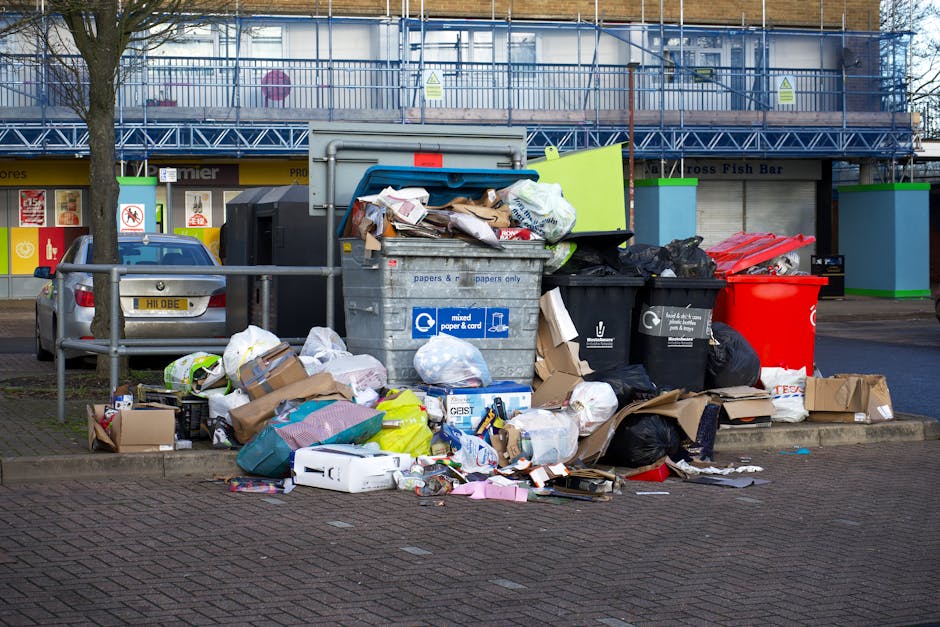
Dealing with Bulky Waste in N13 Palmers Green Flats: A Practical, Local Guide That Actually Helps
If you live in a Palmers Green flat, you already know the awkward bit is rarely the item itself. It is the hallway squeeze, the stairs, the lift that is just a little too narrow, and the moment you realise that old sofa is not going to magically disappear by itself. Dealing with Bulky Waste in N13 Palmers Green Flats is really about making sensible choices: keeping people safe, keeping shared spaces clear, and getting large items out without turning the place upside down.
Whether you are clearing a one-bedroom flat, replacing tired furniture, or tidying up after a move, the process is smoother when you understand your options. This guide walks through how bulky waste removal works in flat settings, what to watch for, and how to choose the most practical route for your situation. It is written for real life, not showroom life.
Table of Contents
- Why Dealing with Bulky Waste in N13 Palmers Green Flats Matters
- How Dealing with Bulky Waste in N13 Palmers Green Flats Works
- Key Benefits and Practical Advantages
- Who This Is For and When It Makes Sense
- Step-by-Step Guidance
- Expert Tips for Better Results
- Common Mistakes to Avoid
- Tools, Resources and Recommendations
- Law, Compliance, Standards, or Best Practice
- Options, Methods, or Comparison Table
- Case Study or Real-World Example
- Practical Checklist
- Conclusion
- Frequently Asked Questions
Why Dealing with Bulky Waste in N13 Palmers Green Flats Matters
Bulky waste is not just "stuff you do not want anymore". In flats, it can create a chain reaction of problems if it is left too long. A broken wardrobe in the entrance hall blocks access. An old mattress leaned against a wall can make fire exits awkward. A stack of unwanted items in a communal area can annoy neighbours very quickly. Let's face it, nobody wants to be that person on the landing with half a sofa and a rushed apology.
In N13, many flats have shared entrances, tight stairwells, controlled parking, or limited kerb space. That means large-item disposal is less about brute force and more about planning. Good planning protects walls, lifts, and floors, and it also protects your back. If you have ever tried to pivot a divan base around a narrow corner, you will know the whole job can go from "simple clear-out" to "why did we start this?" in about three minutes.
There is also a trust angle here. Proper bulky waste handling helps ensure items are removed responsibly, separated if needed, and taken to the correct destination rather than just dumped. If sustainability matters to you, it should, especially in a busy London area, then the way waste is dealt with matters almost as much as the fact that it leaves your flat at all. For a broader look at the values behind responsible removals, you may find the company's recycling and sustainability approach useful.
How Dealing with Bulky Waste in N13 Palmers Green Flats Works
In practical terms, the process usually starts with identifying what counts as bulky waste. Think sofas, armchairs, beds, wardrobes, cabinets, appliances, tables, old office furniture, or large broken items that cannot go out with standard household waste. In a flat, the key question is not only what the item is, but how it will leave the building.
The usual workflow looks something like this:
- Identify the item and its condition. Is it reusable, recyclable, or simply ready for disposal?
- Check access. Measure doors, hallways, stairs, lifts, and any tight turns.
- Decide the method. DIY carry-out, van collection, or a fully managed removal service.
- Prepare the item. Remove drawers, shelves, loose parts, cables, and anything likely to snag.
- Protect the building. Use blankets, corner protection, and sensible lifting technique.
- Move and load safely. This is where teamwork, good timing, and clear communication matter a lot.
- Dispose responsibly. Reuse, donate where possible, recycle where appropriate, and only then tip as a last resort.
For most flat residents, the hard part is not understanding the theory. It is handling the practical nuisance of getting the item out without damage. If you are moving furniture rather than just clearing it, the same principles show up again and again. The guides on furniture removals in Palmers Green and flat removals in Palmers Green give a good sense of how these jobs are usually approached.
One more thing: not all bulky waste is equal. A mattress is awkward. A piano is awkward in a different league altogether. A freezer brings weight, awkward grip points, and the need to keep doors secure. Different objects demand different handling, which is why a one-size-fits-all plan often falls apart fast.
Key Benefits and Practical Advantages
When bulky waste is managed properly, the benefits are immediate and very visible. The flat feels bigger. The hallway clears. The building feels calmer. The job stops hanging over you like an unpaid bill sitting in the corner.
- Safer access: Clear paths reduce trip hazards and make shared spaces easier to use.
- Less damage risk: Proper handling helps protect paintwork, bannisters, floors, and lift doors.
- Better time control: A planned removal is faster than repeated last-minute attempts.
- Reduced stress: You are not improvising with a too-small car or borrowing favours at the last minute.
- More responsible disposal: Items can be separated for reuse, recycling, or proper waste handling.
- Cleaner turnover: Handy if you are moving, redecorating, or preparing a flat for letting.
There is also a subtle benefit people underestimate: decisions get easier. Once the bulky items are dealt with, you can see the room properly again. That often changes what you keep, what you store, and what you replace. A lot of "we need a bigger flat" moments are actually "we need to clear the dead weight" moments. Mildly brutal, but true.
If you are already decluttering for a move, it can help to pair bulky waste planning with the advice in essential decluttering hacks for movers and tips for a smoother, less stressful move.
Who This Is For and When It Makes Sense
This topic is relevant to a surprisingly wide group of people. It is not only for tenants who are moving out tomorrow and suddenly discovering a broken bed frame. It is also for landlords, letting agents, students, homeowners, downsizers, and anyone dealing with a flat that has collected a bit too much furniture over time.
It tends to make sense when:
- you are replacing large furniture items
- a move-out date is approaching
- you are clearing a rental property between tenancies
- an item will not fit into standard waste collections
- you cannot safely carry the item yourself
- access is awkward or there are stairs, narrow halls, or no lift
- you want a quicker, tidier, less disruptive solution
Students often need fast, practical help with old beds, desks, shelving, and small appliances. Those living in compact flats often need the same sort of thing, just with a bit more furniture and a lot less room to manoeuvre. If that sounds familiar, the student removals in Palmers Green page may be relevant too, especially where schedules are tight.
Truth be told, the smartest time to think about bulky waste is before it becomes a blocking issue. Once the sofa is halfway out of the room and the coffee table is in the way, things get messy quickly. Planning earlier saves a lot of awkward shuffling and that strained expression people make when they are trying to pivot a wardrobe around a corner.
Step-by-Step Guidance
If you want the process to feel manageable, keep it orderly. The job is much easier when you break it into simple stages rather than treating it as one giant problem.
- List every bulky item. Write down what is going, what is staying, and what might be recycled or reused.
- Measure access points. Check doors, stair turns, corridor width, lift dimensions, and the route from room to vehicle.
- Check for disassembly options. Beds, tables, wardrobes, and some appliances are easier once broken down or emptied.
- Clear the route. Move rugs, loose boxes, shoes, and anything else that could trip someone up.
- Protect surfaces. Use blankets or padding if you are moving items through painted or shared spaces.
- Choose the right removal method. Decide whether you can do it yourself or need a larger van and extra hands.
- Schedule the move sensibly. Avoid busy times in the building if possible, and warn neighbours if access may be disrupted.
- Load with control. Secure items in the van so they cannot slide, tip, or scratch one another.
- Finish with a clean sweep. Remove fixings, packaging, and any small debris left behind.
A small but useful trick: start with the heaviest item, not the easiest one. That tends to reset the space quickly and gives you room to work. Also, if there is a mattress involved, keep it upright and controlled rather than letting it wobble down the stairs like a giant slice of toast.
When the job is tied to a bigger move, packing discipline matters too. The article on efficient house packing tips is a good companion read, and if you are balancing furniture, boxes, and a tight schedule, the page on packing and boxes in Palmers Green can help you think ahead.
Expert Tips for Better Results
Here is the part where small details save you from big headaches. In our experience, bulky waste jobs are usually won or lost on the little things: preparation, sequence, and how honestly you judge the access.
- Empty everything first. Wardrobes and drawers are lighter, safer, and less likely to split open if they are empty.
- Remove loose parts. Shelves, feet, handles, doors, and screws should be bagged and labelled.
- Use two people minimum for awkward items. One person can steady, but two people steer better. Three if the item is truly ungainly.
- Keep a clear landing zone. The last thing you want is to carry a heavy item into a pile of shoes, boxes, or a bored houseplant.
- Check parking and vehicle access early. In flat moves, the route to the van matters almost as much as the item itself.
- Protect the item if it will be reused. That matters with sofas, beds, and appliances moving into storage or a new home.
For sofas specifically, protecting corners and fabric can make a huge difference, especially in tight stairwells. The guidance in how to store your sofa properly is useful if the item is being moved out temporarily rather than thrown away. Likewise, a freezer needs careful handling when being stored off-peak or moved later; see how to protect your freezer during off periods and how to keep your freezer ready for use with proper storage.
One slightly boring but very real tip: take five minutes to photograph the item and the route before moving it. If something scrapes, gets missed, or needs to be checked later, those photos are oddly useful. Not glamorous. Still useful.
Common Mistakes to Avoid
Most bulky waste problems are avoidable. The trouble is that people tend to underestimate them right up until the moment the item jams in the doorway. Classic.
- Not measuring first. Assuming a sofa will fit through a flat door is a gamble, not a plan.
- Leaving the job until the last minute. That is how people end up with rushed, expensive, and stressful arrangements.
- Trying to lift too much alone. This is where injuries and damage often happen. Pride is not a lifting tool.
- Skipping disassembly. A few screws removed early can save a lot of pain later.
- Ignoring building rules or neighbours. Shared spaces need a bit of courtesy, especially in flats.
- Using the wrong vehicle. Too small and you are making multiple trips. Too crowded and the load shifts.
- Mixing waste and reusable items. Keeping them separate makes recycling and redistribution much easier.
Another mistake is forgetting the end of the job. People focus on getting the item out and then leave fixings, dust, or packaging behind. It sounds minor, but in a flat, even a small mess becomes everybody's problem very quickly.
If you want to avoid the physical side of heavy lifting altogether, the articles on lifting heavy loads alone and kinetic lifting techniques are worth a look. They are practical, not dramatic, and they help you stay sensible about the strain on your body.
Tools, Resources and Recommendations
You do not need a warehouse full of equipment to handle bulky waste well. But a few basic tools make the whole process less clumsy and less risky.
| Tool or resource | What it helps with | Best use case |
|---|---|---|
| Furniture blankets | Protects walls, doors, and surfaces | Large furniture and appliances moving through tight spaces |
| Gloves with grip | Better hold and reduced hand strain | Cardboard-backed furniture, metal frames, rough surfaces |
| Ratchet straps or load straps | Secures items inside a van | Transporting sofas, mattresses, cabinets, and mixed loads |
| Basic toolkit | Removes screws, shelves, fixings, and handles | Disassembly before moving |
| Labels or tape | Keeps parts organised | Wardrobes, beds, modular furniture |
| Measured route plan | Reduces surprises in flats | Tight staircases, shared halls, parking restrictions |
On the service side, the most relevant starting points are the wider services overview, the man with a van in Palmers Green option, and the broader removal services in Palmers Green. Those pages help you match the scale of the job to the level of help you actually need.
For bigger or more awkward loads, it may also be worth considering a removal van in Palmers Green rather than trying to squeeze everything into a smaller vehicle. A van that fits the load properly is often cheaper in the end. Fewer trips, less faffing, less stress.
Law, Compliance, Standards, or Best Practice
Bulky waste in flats is not only a practical issue; it is also a responsibility issue. You should avoid leaving items in communal areas unless the building arrangement clearly allows it. Shared hallways, stairwells, fire exits, and lifts are not storage spaces, however tempting that might be when you are in a hurry.
In the UK, responsible waste handling normally means giving items to people or operators who can dispose of them properly and avoid fly-tipping. That is especially important if you are paying someone to collect waste on your behalf. Ask sensible questions. Where will the item go? Can it be reused, recycled, or broken down? What happens if there are mixed materials?
From a good-practice point of view, the following are worth sticking to:
- keep routes clear for residents and emergency access
- avoid damaging common areas during removal
- separate reusable, recyclable, and disposal-only items where possible
- make sure the person or company handling the waste is legitimate and insured
- be honest about weight, size, and access so the job is properly planned
Insurance and safety also matter. If an item is heavy, awkward, or valuable, you want a provider who treats the lift, carry, and loading process seriously. The pages on insurance and safety and health and safety policy are helpful trust points when you are comparing how different providers operate.
And if you are dealing with a move-out clean-up as part of the same job, it helps to combine the waste plan with final-property prep. The article on effective move-out cleaning strategies fits nicely here.
Options, Methods, or Comparison Table
There is more than one way to deal with bulky waste in a Palmers Green flat. The best option depends on the item, the access, your time, and how much lifting you are realistically prepared to do.
| Method | Best for | Pros | Trade-offs |
|---|---|---|---|
| DIY carry-out and disposal | Small-to-medium items, easy access | Low direct cost, full control | Time, effort, injury risk, and vehicle limitations |
| Man and van collection | Single items, mixed bulky loads, short-notice jobs | Flexible, practical, usually quicker | May still need some preparation and clear access |
| Full removal support | Large flats, many items, stairs, awkward furniture | Less strain, more handling support, better for complex jobs | Usually the higher-cost option, though often better value overall |
| Storage first, disposal later | Items you are not ready to decide on yet | Buys time, keeps the flat clear | Extra planning and storage cost |
To be fair, a lot of people start with DIY and then switch to a van-based option once they see the item in the hallway. There is no shame in that. The point is to finish the job safely and without leaving scratches up the wall like a tiny disaster map.
If you are still deciding between approaches, the pages on man and van services and removal companies in Palmers Green can help you compare the style of support rather than just the vehicle size.
Case Study or Real-World Example
Here is a realistic flat scenario. A resident in an N13 apartment has an old three-seater sofa, a mattress, a damaged bedside cabinet, and a freezer that needs to go. The flat is on an upper floor, there is a shared corridor, and the lift is small enough that turning the sofa on its end would be awkward at best.
Instead of trying to move everything in one rushed afternoon, the resident sorts the items by priority. First, the cabinet is emptied and broken down. Then the mattress is wrapped and kept clean. The sofa is measured against the doorway and stairwell before moving day, which confirms it needs to be carried at a careful angle. The freezer is unplugged early enough to defrost safely, which saves a lot of mess later. Helpful, really, because nobody wants a leaking appliance surprise at 7 a.m.
The result is not dramatic, just efficient. The items are removed in the right order, the corridor stays clear, and the flat is ready for cleaning and final checks. The resident also decides to store a couple of keepers short-term rather than rush them out. That is where storage in Palmers Green becomes useful, especially when timing is tight between one flat and the next.
This kind of job shows why bulky waste is rarely just "take it away". It is usually a planning exercise with moving parts. Literally, sometimes.
Practical Checklist
Use this checklist before you start. It keeps the process grounded and stops you forgetting the obvious stuff, which happens more often than people admit.
- List every bulky item that needs moving or disposal
- Measure doors, corridors, stairs, and lift access
- Check whether any item can be dismantled safely
- Empty furniture before lifting
- Separate reusable items from waste
- Clear the route through the flat and building
- Protect walls, floors, and corners
- Arrange suitable help for heavy or awkward items
- Confirm parking and van access in advance
- Secure items properly in transit
- Remove small fixings, packaging, and debris after collection
- Choose the most responsible disposal route available
If the job is tied to a larger relocation, a little coordination goes a long way. You can also use the local guide on parking access for Palmers Green Triangle moves and the ultimate moving guide for Green Lanes, Palmers Green to think about timing and access around the area.
Get a free quote today and see how much you can save.
Conclusion
Dealing with bulky waste in N13 Palmers Green flats is usually much easier when you slow the process down at the start and speed it up at the right moment. Measure first, plan access, choose the right method, and do not underestimate the awkwardness of shared spaces. That is the simple truth of it.
Once you treat bulky waste as a logistics task rather than a nuisance task, everything gets better: less damage, less strain, less last-minute panic. Whether you are clearing a single item or an entire flat, the goal is the same - a clean finish and a calm head. And honestly, that calm head is worth a lot.
When the last heavy item is gone and the hallway is finally clear again, you will notice how different the flat feels. Lighter, quieter, easier to live in. A small win, but a real one.
Frequently Asked Questions
What counts as bulky waste in a Palmers Green flat?
Bulky waste usually means large items that will not fit into standard bins or routine household collections, such as sofas, beds, wardrobes, mattresses, appliances, and large tables.
Can I leave bulky waste in a communal hallway?
Usually no, unless your building rules specifically allow it. Shared hallways and fire routes should stay clear, so it is best to move items out only when collection is ready.
Is it better to dismantle furniture before moving bulky waste?
Often yes. Breaking down wardrobes, bed frames, and similar items can make them safer to carry and easier to fit through narrow flat entrances or stairwells.
How do I know if I need a van for bulky waste removal?
If the item is too large for a car, too heavy to carry alone, or too awkward to move in one trip, a van-based collection is usually the practical choice.
What is the safest way to move a mattress out of a flat?
Keep it controlled, upright where possible, and make sure doorways and corridors are clear. If it is a tight route, two people is usually much safer than one.
What should I do with reusable bulky items?
Separate them from true waste if you can. Items that still have life left in them may be suitable for reuse, storage, or onward sale, depending on their condition.
Do I need to measure my flat before arranging bulky waste removal?
Yes, measuring helps avoid surprises. Door width, stair turns, lift size, and any tight corners can change the whole plan.
How can I reduce the risk of damage during removal?
Use protective coverings, empty furniture first, clear the route, and avoid rushing. Damage usually happens when people try to force an awkward item through a space that is too tight.
Is bulky waste removal useful when moving out of a flat?
Very much so. It helps clear unwanted furniture and appliances before handover, which can make cleaning and final inspection much easier.
What if I have a heavy item like a piano or freezer?
Those items need extra care because they are heavy, bulky, and awkward to grip. Specialist handling is usually a smarter option than trying to move them casually.
How far in advance should I plan bulky waste removal?
The earlier the better, especially if you live in a flat with tight access or limited parking. A little lead time makes it easier to book the right help and avoid rushed decisions.
Where can I learn more about the company behind these services?
You can read more on the about us page to get a feel for the team and approach, and if you are ready to ask about your own job, the contact page is the next step.