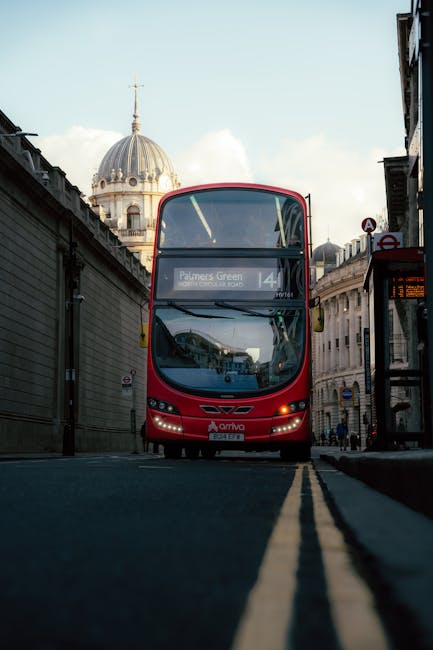




Street-closure Rules for Removals on Green Lanes
Posted on 12/07/2026
If you are planning a move in and around Green Lanes, the street-closure rules for removals can make the difference between a calm moving day and a long, frustrating one. A van arrives, the pavement is tight, a neighbour's car is parked awkwardly, and suddenly the whole schedule starts wobbling. Sound familiar? In busy parts of North London, removals are rarely just about carrying boxes. They are about access, timing, safety, and making sure the vehicle can load without causing disruption.
This guide breaks down how street closures, temporary traffic management, parking controls, and local permissions can affect removals on Green Lanes. It also explains how to plan around them, what to check before moving day, and how to reduce the risk of delays, fines, or last-minute stress. If you want a move that feels organised rather than improvised, you are in the right place.
For a broader sense of how local removals are handled, you may also find it useful to read the ultimate moving guide for Green Lanes, Palmers Green and the site's services overview.
Why Street-closure Rules for Removals on Green Lanes Matters
Green Lanes is busy, varied, and often tighter than people expect. Depending on the exact stretch, you may be dealing with moving traffic, busier junctions, local parking pressure, loading restrictions, or a road layout that simply does not forgive sloppy planning. That is why street-closure rules matter so much. They are not just bureaucracy for the sake of it. They protect pedestrians, keep traffic flowing, and help removal crews work without creating avoidable risk.
For home moves, the biggest issue is usually access. A sofa, bed frame, or fridge is much easier to handle when the vehicle can stop close to the property. If the street cannot be safely used for loading, or if part of the road needs to be temporarily controlled, the whole job becomes more complex. In practical terms, that can mean longer carrying distances, extra labour, or a change to the schedule. Nobody loves that at 8:00 in the morning with a hallway full of boxes.
There is also a neighbourly side to it. A well-managed move avoids blocking driveways, trampling over footpaths, and causing that lovely chorus of car horns nobody asked for. In our experience, the smoothest removals are the ones where access is thought through early, not on the day when the kettle is already packed.
If you are moving from a flat, a shared house, or a property with limited frontage, it may be worth looking at flat removals in Palmers Green or house removals in Palmers Green to understand how different property types can affect access planning.
How Street-closure Rules for Removals on Green Lanes Works
Street-closure rules usually come into play when a removal vehicle, loading activity, or temporary obstruction could affect the normal use of the road. On a practical level, the process can involve one or more of the following:
- a temporary suspension of parking in a loading bay or outside the property
- a permit or notice for stopping in a restricted area
- traffic management if part of the street must be held clear
- coordination with neighbours or building management
- time-sensitive access arrangements for a removal vehicle
Not every move needs a formal street closure. In fact, most don't. Many removals simply require sensible parking, good timing, and a clear loading plan. But if the street is narrow, one-way, heavily parked, or especially busy, you may need more than a quick stop-and-go approach.
Think of it like this: if the van can park safely, doors can open fully, and the crew can move items without blocking traffic or pedestrians, the job often proceeds with minimal fuss. If not, the move may need a different method. That could mean using a smaller vehicle, staging items from a safer point, or arranging the move at a quieter time of day.
It is also common to see related access planning alongside parking advice. For a useful local companion read, see the parking and access guide for Palmers Green Triangle moves. That kind of pre-planning is often what separates a tidy move from a messy one.
Key Benefits and Practical Advantages
When street-closure rules are handled properly, the move becomes easier for everyone involved. That is the simple truth. The benefits are not glamorous, but they are very real.
- Fewer delays: A clear loading plan prevents the stop-start chaos that can eat into the day.
- Safer lifting: Shorter carrying distances reduce strain on the crew and lower the chance of damage.
- Less property damage: Good access planning means fewer scrapes on walls, doors, railings, and floors.
- Reduced neighbour friction: People are much more tolerant of a move when it is orderly and brief.
- Better vehicle positioning: The van can be placed where it makes operational sense, rather than wherever a space happens to appear.
There is also a financial angle. When access is poor, removals can take longer. More time means more cost pressure, even if only indirectly through crew hours, extra trips, or the need for a different vehicle setup. If you are comparing providers, it helps to read avoiding hidden fees in Palmers Green removals so you know what to ask before confirming anything.
Expert summary: street-closure planning is really about controlling the moving day environment. The better the access, the calmer the move. Simple as that.
Who This Is For and When It Makes Sense
This topic is relevant to a surprisingly wide group of people. You might think street-closure planning only matters for big commercial jobs, but that is not quite right. Even a small flat move can run into access issues on Green Lanes.
It makes sense to pay attention if you are:
- moving from or to a flat on a busy stretch of Green Lanes
- using a larger van or lorry that needs room to manoeuvre
- moving bulky furniture, appliances, or delicate items
- arranging a same-day or short-notice move
- dealing with resident parking pressure or shared access
- handling a move where neighbours, businesses, or pedestrians may be affected
It also matters if your move involves awkward items. A piano, for example, is not just another box with a lid. It needs careful handling, a stable route, and enough space to turn safely. If that sounds familiar, the piano removals service and the related guide on choosing professionals for the safe piano journey are useful background reading.
Students, landlords, office managers, and families all face different versions of the same issue: can the van get close enough, legally and safely, to do the job efficiently? If not, the rest of the plan needs adjusting.
Step-by-Step Guidance
If you want to avoid last-minute panic, follow a simple process. It does not need to be complicated, just deliberate.
- Check the exact access point. Don't assume the address line tells the whole story. Look at where the van would actually stop, where the doors open, and whether there is room to load without blocking the road.
- Review nearby restrictions. Look for loading bans, residents' bays, single yellow lines, bus lanes, or signs that limit stopping. If the street is heavily controlled, plan earlier rather than later.
- Measure the practical route. Think from van to front door. Then front door to staircase, lift, or hallway. If you can picture the path, you can usually spot the problem before it bites.
- Decide whether a street closure, suspension, or alternative arrangement is needed. In some cases, the answer is simply a different parking spot. In others, it may require formal permission or coordination.
- Book the moving time with access in mind. Early mornings are often calmer. So are some midweek slots. But local conditions vary, and there is no magic hour that works everywhere.
- Prepare the property. Clear corridors, protect floors, and separate items that will go first. Helpful packing guidance is covered in house packing tips for smoother moves.
- Confirm the vehicle type. A larger removal van is useful for volume, but not if the street cannot accommodate it. Sometimes a smaller vehicle or shuttle approach is the better call.
- Build a backup plan. This is the part people forget. If a road is blocked, if a neighbour's car appears, or if a delivery van has parked where yours should go, what happens next?
On the day, keep your phone on, keep the loading route clear, and do a final check of the pavement and kerbside before the van arrives. The little details matter. They really do.
Expert Tips for Better Results
Here are the things that tend to make the biggest difference in the real world, not just on paper.
- Visit the street at the same time of day as the move. Green Lanes can feel very different at 7:30 a.m. compared with midday.
- Think about turning space, not just parking space. A van that can park is not automatically a van that can leave cleanly.
- Keep heavy items nearest the exit. It saves time and reduces the number of awkward pauses in the stairwell.
- Separate fragile and high-value items early. That way they do not become a last-minute scramble.
- Use storage strategically if access gets squeezed. A short pause can be far better than forcing a rushed move. See storage options in Palmers Green if you need temporary space.
- Be realistic about DIY lift counts. Moving a heavy wardrobe down a tight staircase is not a heroic moment. It is just risky.
A small human tip: keep a dedicated "first hour" box. Tea bags, phone charger, bin bags, tape, basic tools, and a cloth. That one box can save you from a very irritating evening. It's a tiny thing, but it helps.
If your move is large or time-sensitive, a professional crew can also help you avoid overcomplicating the route. There is a reason people choose a man with a van in Palmers Green or a more comprehensive removal service depending on the size of the job.
Common Mistakes to Avoid
Most problems on moving day are predictable. That is the slightly annoying part. The good news is that predictable problems can usually be prevented.
- Assuming parking will be fine. This is probably the biggest one. A road that looks empty at 10 a.m. may be full by 11.
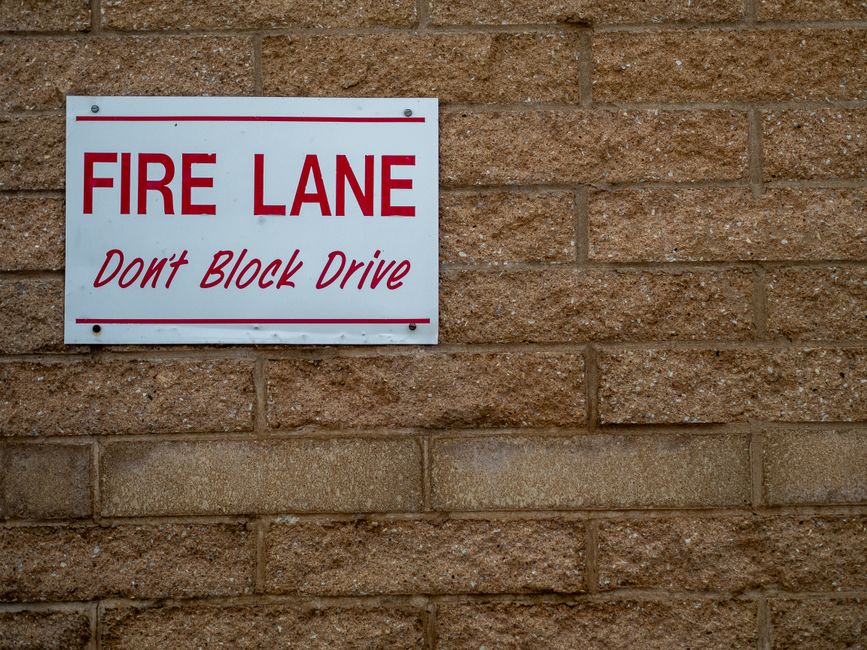
- Not checking signage properly. A single sign can override a lot of assumptions. Easy to miss, expensive to ignore.
- Forgetting the footpath impact. Blocking pedestrians or making them step into the road is not acceptable, and it can become a safety issue fast.
- Leaving it to the last minute. Access questions do not improve with time. They only get louder.
- Using a vehicle that is too large. Bigger is not always better. Sometimes it is just harder to manoeuvre.
- Overpacking boxes so they are awkward to carry. That slows down the whole operation and increases the risk of drops.
There is also a quieter mistake: failing to think about what happens after unloading. If your new place is not ready, or the lift is out of order, or the hallway is cluttered, you can lose momentum very quickly. For that side of the move, the article on streamlining your home move for peace of mind is a good reminder that planning is not just about the street outside.
Tools, Resources and Recommendations
You do not need fancy equipment to plan a better move, but a few practical tools help a lot.
- Phone camera: take photos of the street, parking signs, and access route.
- Tape measure: useful for checking doorway width, stair turns, and furniture clearance.
- Marker pens and labels: make loading and unloading quicker.
- Blankets and wraps: reduce damage during awkward carries.
- Wheel trolleys or sack trucks: helpful for heavier items where the surface allows it.
For packing and item preparation, these internal resources are especially relevant:
- packing and boxes in Palmers Green for materials and packing support
- decluttering hacks for movers if you want to reduce volume before moving day
- reliable methods for moving a bed and mattress for awkward bedroom items
- how to store a sofa properly if furniture needs to be held temporarily
And if you are comparing the business side of things, review the pricing and quotes page, plus the terms and conditions and insurance and safety information. That is the boring bit. Still worth doing.
Law, Compliance, Standards, or Best Practice
Street closures and loading arrangements should always be treated carefully, because they sit at the point where property access meets public road use. The exact requirements can vary by road, vehicle type, time of day, and local authority practice. It is safest to assume that if your move could affect traffic flow, parking enforcement, or pedestrian safety, then it deserves proper planning.
Best practice usually includes:
- checking local parking restrictions before booking the move
- allowing enough time for loading without blocking the street longer than necessary
- keeping footways and emergency access routes clear
- using suitable equipment and trained handlers for heavy or awkward items
- avoiding any action that could create a hazard for residents or road users
For removals, that also means following sensible health and safety habits: lifting properly, sharing weight, protecting surfaces, and not trying to rush large items through narrow spaces. The page on health and safety policy gives a useful sense of the standards you should expect from a responsible provider.
If your move involves waste or items that will not come with you, it is better to plan disposal separately rather than leaving bulky items in a way that causes obstruction. The article on dealing with bulky waste in N13 Palmers Green flats is a practical companion piece here.
Options, Methods, or Comparison Table
Not every move on Green Lanes needs a formal street closure. In fact, choosing the lightest workable option is often the smartest route.
| Method | Best for | Pros | Trade-offs |
|---|---|---|---|
| Standard kerbside loading | Smaller moves with flexible access | Quick, simple, usually low disruption | Depends on available parking and timing |
| Temporary parking suspension or loading arrangement | Busy streets with tight access | Clearer space for the van, fewer carry issues | May need more planning and coordination |
| Short-term street control | Moves that affect traffic flow or need a protected working area | Safer for large items and pedestrians | More administration and timing sensitivity |
| Shuttle or split-load method | Restricted streets or limited van access | Works where larger vehicles cannot stop close by | Can take longer and need extra handling |
For most domestic customers, the decision is not about picking the "best" method in theory. It is about choosing the method that matches the street. A flat move near the Triangle is rarely the same as a larger house move with clear frontage, and that is fine. Different streets, different solutions.
Case Study or Real-World Example
Here's a simple example from a typical Green Lanes-style move. A couple moving out of a first-floor flat had a sofa, a bed frame, boxed kitchen items, and a heavy freezer. On paper, it looked manageable. Once the crew checked the street, though, they realised the nearest stopping point was likely to be taken by parked cars during the morning rush.
Rather than gambling on the day, the move was broken into two parts. Light boxes were packed first, the heavier furniture was staged near the exit, and the van was scheduled for a quieter window. The crew also checked the route for turning space and made sure nothing would block the pavement. No drama. No last-minute improvisation. Just a bit of calm planning.
The couple later said the best part was not the speed, interestingly enough. It was the lack of stress. They had expected the street itself to be the problem, but once the access plan was clear, the rest felt straightforward. That is often how it goes. The difficulty is usually less about the lifting and more about the logistics around the lifting.
If a same-day situation sounds closer to your reality, the page on same-day removals in Palmers Green and the article on what to expect from a same-day move are both worth a look.
Practical Checklist
Use this before moving day. It is not fancy, but it works.
- Confirm the exact address and access point
- Check parking signs and any loading restrictions
- Decide whether kerbside loading is possible
- Look for obstacles on the route from van to door
- Measure large furniture and stair turns if needed
- Label boxes by room and priority
- Prepare floor protection and door protection
- Keep essentials separate and easy to reach
- Agree the arrival time and backup plan
- Make sure the move does not block the pavement or nearby driveways
- Check if any items need storage or delayed delivery
- Have a contact number ready for the moving crew
Quick takeaway: if the street is tight, the move becomes a logistics job first and a lifting job second. Plan the road access, and half the stress disappears.
Conclusion
Street-closure rules for removals on Green Lanes are really about making the day safe, legal, and workable. You do not need to overcomplicate it, but you do need to respect the reality of the street. Tight access, parked cars, busy footpaths, and time-sensitive loading can all change the shape of a move very quickly.
The best results come from checking the street early, choosing the right vehicle setup, keeping the loading route clear, and being honest about what the property and road can handle. That approach saves time, lowers risk, and makes the move feel less like a scramble. To be fair, that is what most people want on moving day: less noise, fewer surprises, and a finish that feels under control.
If you are still planning the details, start with access, then work back to the packing, the timing, and the crew. That order tends to keep things sane. And on a hectic London street, sanity is worth quite a lot.
Get a free quote today and see how much you can save.