Green Lanes man with a van guide for tight access moves
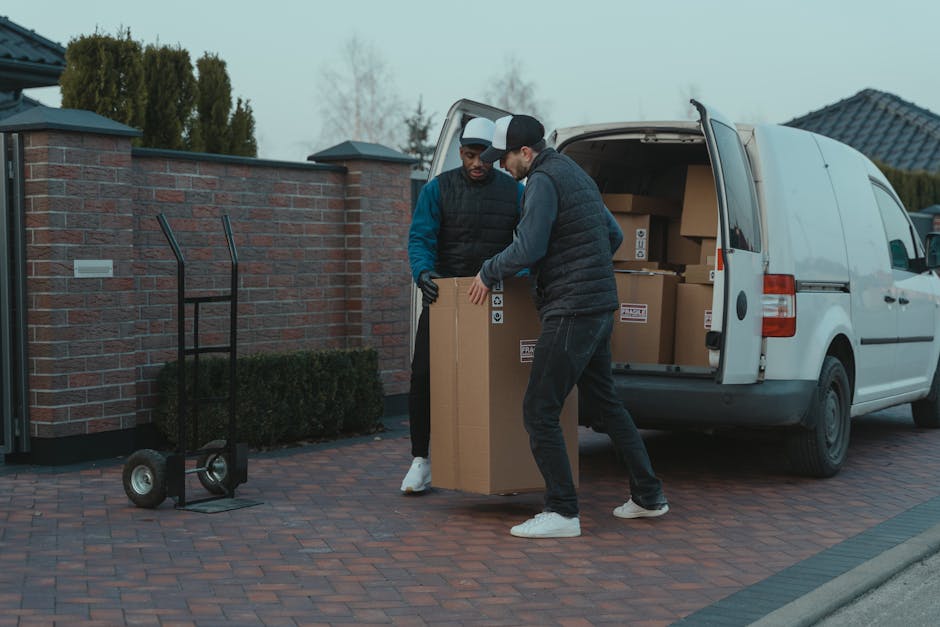
If you are moving in or around Green Lanes and the access looks awkward, narrow, or just plain stressful, you are not alone. Tight stairwells, shared entrances, no proper loading bay, and that one awkward corner by the front door can turn a simple move into a small battlefield. This Green Lanes man with a van guide for tight access moves is here to help you plan it properly, avoid the usual headaches, and decide when a smaller van, extra hands, or a more careful approach makes all the difference.
Truth be told, the move itself is often not the hardest part. It is the access. Once you understand how to prepare the route, the property, and the van arrangement, the whole job becomes much more manageable. This guide walks through what tight access really means, how a man and van service handles it, what to watch out for, and how to keep the day moving without chaos.
- Why tight access matters
- How a tight access move works
- Key benefits and practical advantages
- Who this is for and when it makes sense
- Step-by-step guidance
- Expert tips for better results
- Common mistakes to avoid
- Tools, resources and recommendations
- Law, compliance, standards, or best practice
- Options, methods, or comparison table
- Case study or real-world example
- Practical checklist
- Conclusion
- Frequently asked questions
Why Green Lanes man with a van guide for tight access moves Matters
Tight access changes everything. On paper, moving a sofa, a mattress, or a few dozen boxes sounds straightforward. In practice, the route from the van to the front room can be the real challenge. A move in Green Lanes may involve busy roads, limited stopping space, older terraced properties, basement flats, split-level homes, or buildings with stairs that seem to go on forever. You can see why a standard approach sometimes falls apart before the first box is even out of the van.
That is why a man with a van service can be so useful. It is flexible, nimble, and much easier to position than a larger removal truck. For tight access moves, that flexibility is not a nice extra; it is the whole point. The right vehicle can reduce walking distance, simplify loading, and make the overall move safer for your belongings and for the people carrying them.
It also matters because tight access can create hidden delays and costs. If the van cannot stop close enough, every item has to be carried further. If a wardrobe will not fit through a doorway without being tilted, the crew needs time and space to work carefully. If parking is missed, the whole plan starts wobbling. You do not want a move that feels like a game of musical chairs with a chest of drawers.
In our experience, the best tight access jobs are the ones where everyone knows the constraints before the van arrives. A little detail up front saves a lot of heavy lifting later.
Key takeaway: tight access does not automatically mean a difficult move, but it does mean the move should be planned like a precision job rather than a general house removal.
If you are comparing service types, the broader pages on man and van services, removal services, and home moves can help you understand where this kind of move fits in the bigger picture.
How Green Lanes man with a van guide for tight access moves Works
The basic process is simple, but the details matter. First, you describe the property and access conditions as accurately as possible. That means more than just "third-floor flat" or "small street." It helps to mention steps, narrow hallways, shared entrances, permit issues, low ceilings, awkward corners, or whether furniture must be carried through a side path or communal area.
Next, the move is matched to a suitable van and crew size. A smaller vehicle may be better if the road is tight or the loading space is limited. Sometimes a larger van still works, but only if parking and turning space are manageable. The goal is not to cram everything into one vehicle at all costs. It is to move the items efficiently without damaging walls, door frames, or the furniture itself.
On moving day, the team usually does a quick assessment before loading starts. That assessment is practical rather than formal. Where can the van stop? How far is the carry? Which pieces should come out first? Do fragile items need extra wrapping? If the access is especially awkward, the crew may change the order of loading so the most difficult items are handled while everyone is fresh and focused.
For a tight access job, the route inside the property is almost as important as the route on the road. Stairwell turns, banisters, low door lintels, and narrow landings can all affect how an item should be carried. A good team will measure mentally, adjust grip positions, and move slowly where needed. That may sound obvious, but it is usually the difference between a smooth move and a chipped wall.
If you need extra handling help, a few related services can be useful, especially packing and unpacking services and furniture pick up for larger or awkward pieces.
Key Benefits and Practical Advantages
A man with a van setup is often the most sensible choice for tight access because it offers more control. You are not trying to fit a huge vehicle into a street that barely has room to breathe. You are not paying for unnecessary capacity either. That matters more than people think.
- Easier parking and loading: smaller vans can often stop closer to the property, reducing carry distance.
- More flexibility: the team can adapt to narrow streets, limited access, or odd loading points.
- Lower risk of damage: fewer awkward manoeuvres usually means fewer bumps, scrapes, and near misses.
- Better time control: a well-planned move avoids long delays caused by access problems.
- More suitable for mixed jobs: ideal for flat moves, single-item transport, student moves, partial house moves, and office equipment transfers.
There is also a quieter benefit: peace of mind. When you know the van size matches the street and the access route, the day feels less like a gamble. You can focus on the actual move rather than worrying whether the vehicle will block traffic or whether the sofa will get stuck halfway down the stairs. Not glamorous, but very real.
For people comparing options, the broader category pages such as movers, man with van, and removals can help you understand whether you need a compact move or something more comprehensive.
Who This Is For and When It Makes Sense
This kind of move suits plenty of people, not just those in obvious tight spaces. You may need it if you live on a busy road, a narrow terrace street, a mansion block with limited access, or a building with awkward internal stairs. It also makes sense if you are only moving a few items but one or two are large, heavy, or unusually shaped.
Typical examples include:
- studio or one-bedroom flat moves
- student moves with bulky furniture
- single-item transport, such as a bed, sofa, or desk
- top-floor or basement properties with narrow staircases
- office equipment moves with restricted loading access
- partial house moves where only certain rooms are being relocated
If you are moving out of a building where every landing feels like a puzzle and the front door opens directly onto a congested street, this guide is for you. And yes, that includes moves where the property itself is fine but the street layout is doing its best to make life harder.
It also makes sense if you are trying to keep costs sensible. A smaller, better-matched vehicle can be more cost-efficient than booking an oversized van or a full removal setup you simply do not need. That is where pricing and quotes becomes useful, especially if you want the move assessed on real access conditions rather than guesswork.
Step-by-Step Guidance
1. Measure the access, not just the furniture
Measure stair widths, doorway clearances, hallway turns, lift size if applicable, and the distance from the property to the nearest practical parking point. If you can, note low ceilings, uneven surfaces, tight corners, and anything that might snag a mattress or cabinet. A quick walkthrough with a tape measure is better than a hopeful shrug.
2. Describe the street honestly
Tell the mover whether the road is narrow, whether parking is permit-controlled, and whether vehicles usually stop on yellow lines nearby. If access is awkward at certain times of day because of traffic or local activity, mention that too. A move that works at 10 a.m. may be much trickier at school-run time. You will notice the difference, believe me.
3. Separate the awkward items early
Put large or fragile pieces to one side before moving day. That includes wardrobes, mirrors, beds, appliances, and anything with glass or delicate finishes. If possible, disassemble what can be safely taken apart. Less bulk means easier handling through tight spaces.
4. Protect the route through the property
Lay down floor protection if needed, move pets and children away from the path, and clear clutter from hallways and stairs. A tight access move becomes much easier when there is a clean, obvious route. It sounds simple, but it saves time.
5. Load in a sequence that matches the exit route
Do not load randomly. Start with the items that are hardest to manoeuvre or the ones that need the most careful positioning in the van. Good sequencing reduces re-handling and helps the team make the best use of available space.
6. Keep communication short and clear
On the day, the best instructions are direct ones: what goes first, what needs extra care, what absolutely must not be placed under heavier boxes. If something changes, say so early. Nobody enjoys discovering at 4:30 p.m. that the chest of drawers needs to come back out again.
Expert Tips for Better Results
There are a few things experienced movers tend to do automatically, and they are worth copying. First, they assess whether furniture should be carried upright or on its side. That can be the difference between clearing a narrow stairwell and scraping the wall. Second, they think about weight distribution in the van so heavier items do not crush softer loads underneath.
Another useful tip is to over-prepare the exits. If you can remove a door from its hinges safely, or at least keep doors fully open and protected, that often makes a surprisingly big difference. Same with banisters, where possible and appropriate. Sometimes half an inch is all that separates "easy enough" from "never mind, we are stuck."
Also, don't underestimate wrapping. Blankets, straps, and simple edge protection can save a lot of grief. A cheap corner protector is a lot easier to live with than a scuffed wall. And if you are moving in winter, wet floors and muddy shoes make everything more slippery, so build in a bit more time. The weather never really cooperates, does it?
If you are arranging a business move in a restrictive building, the planning ideas here also overlap with office removals and commercial moves, especially where access and timing are both tight.
Common Mistakes to Avoid
- Underestimating carry distance: a van parked 40 metres away may not sound bad until you are carrying a fridge through the rain.
- Forgetting to mention stairs: stairs change everything, especially for bulky items.
- Booking the wrong vehicle size: too big can be just as awkward as too small if the street is restrictive.
- Leaving packing to the last minute: rushed packing causes damage and slows loading.
- Ignoring parking restrictions: a blocked access point can derail the whole schedule.
- Not checking item dimensions: the sofa that looked fine in the lounge may be less charming on a narrow staircase.
A surprisingly common mistake is assuming "it'll probably be fine." That attitude has ended more than a few moving days in awkward silence. Better to be realistic and slightly cautious than optimistic and stuck.
If you are comparing providers, pages like removal company, removal companies, and removals near me may help with broader comparison, but the real lesson is this: tight access needs honest assessment, not generic promises.
Tools, Resources and Recommendations
You do not need a warehouse of equipment to handle a tight access move well, but the right basics help a lot.
- Measuring tape: for doorways, hallways, and furniture sizes.
- Furniture blankets: for protecting edges and polished surfaces.
- Straps: to keep loads stable and manageable.
- Protective gloves: helpful for grip and safety when carrying awkward shapes.
- Floor protection: useful in shared entrances, stairwells, and newly finished spaces.
- Basic tools: screwdrivers and Allen keys for disassembly if needed.
- Labels and tape: to keep boxes in the right order and avoid rehandling.
For service planning, it can also help to review company information about safety and payment expectations. The site's health and safety policy, insurance and safety, and payment and security pages are sensible places to check when you want a clearer picture of how a provider operates.
If sustainability matters to you, especially when discarding packaging or moving fewer trips, the recycling and sustainability information is also worth a look.
Law, Compliance, Standards, or Best Practice
For most domestic moves, the main compliance issues are practical rather than legal: parking, access permissions, safe lifting, and property care. In London, parking rules can be especially important, and local restrictions may affect where a vehicle can stop or unload. If a permit or loading arrangement is needed, it is usually best to sort that well before moving day rather than hope for the best.
There is also a basic duty of care around moving safely. That means sensible lifting, avoiding unnecessary strain, and not forcing oversized items through unsafe gaps. Where a move feels risky, it is better to pause and reassess than push through. A good mover will not treat that as fussiness; they will treat it as normal professionalism.
Best practice also includes clear terms, transparent service details, and a proper complaints route if something goes wrong. That is not the fun part, obviously, but it is part of trusting a provider. You may also want to read the company's terms and conditions, complaints procedure, and privacy policy if you are booking and want to know how information and service issues are handled.
Options, Methods, or Comparison Table
Not every tight access move needs the same setup. The right option depends on access, volume, and how much handling the items need.
| Option | Best for | Strengths | Watch-outs |
|---|---|---|---|
| Small man and van | Single items, studio moves, very tight streets | Easy to park, flexible, lower complexity | Limited volume on one trip |
| Medium van with extra care | One-bedroom flats, mixed furniture loads | Balances capacity and access | Still needs accurate parking planning |
| Full removals-style setup | Larger homes or complicated loads | More labour and capacity | May be unnecessary for very tight access or small jobs |
There is no single correct answer here. Sometimes the smartest option is not the biggest one. In fact, the wrong oversized vehicle can create more stress than it solves. A well-chosen man with a van or man with van arrangement is often the sweet spot for Green Lanes properties with limited access.
If you are moving a heavier load or a mixed household, it may be worth looking at removal van, removal van, or the more general man with van removal style of service, depending on how much assistance you need.
Case Study or Real-World Example
A practical example makes the whole thing easier to picture. Imagine a tenant moving from a first-floor flat off Green Lanes. The street is busy in the morning, parking is limited, and the staircase inside the building turns sharply at the top landing. The main items are a bed frame, mattress, two bookshelves, a sofa, a dining table, and around twenty boxes.
The first instinct might be to book a larger van and try to get everything done in one sweep. But on inspection, the better choice is a smaller vehicle that can stop closer to the entrance. The team asks for the largest items to be ready first, removes the bed frame where possible, wraps the sofa corners, and clears the hallway before lifting starts. Because the van is easy to position, the carry distance stays short. That saves time and reduces the number of awkward turns through the stairwell.
Nothing dramatic happens, which is exactly the point. The move feels orderly. There is a bit of effort, a bit of sweat, and the usual grumble when someone realises the mattress is slightly more stubborn than expected. But the walls stay intact, the items arrive safely, and nobody ends the day feeling battered. That is what good tight access planning looks like.
For some jobs, especially if extra packing help would reduce pressure on the day, packing and unpacking services can be a very sensible add-on.
Practical Checklist
Use this before your move. It is the boring bit, yes, but the boring bit saves the day.
- Measure doorways, hallways, stairs, and key furniture items
- Confirm parking and access restrictions in advance
- Tell the mover about steps, low ceilings, and awkward turns
- Separate fragile, heavy, and oversized items early
- Disassemble furniture where it makes sense and is safe to do so
- Clear corridors, landings, and entrance routes
- Protect floors and vulnerable walls
- Label boxes clearly and keep essentials accessible
- Check whether you need extra carrying help or packing support
- Review service terms, safety information, and payment details before booking
If you want to speak to a local team about the right vehicle and access setup, it makes sense to look at contact options alongside pricing and quotes so you can line up the practical side before moving day rolls around.
Conclusion
A tight access move does not have to be a nightmare. With the right vehicle, clear planning, and honest communication, it can be efficient and surprisingly calm. The key is to treat access as a central part of the move, not an afterthought. Once that changes, the whole job becomes easier to manage.
For Green Lanes residents and businesses, a man with a van approach is often the most sensible way to handle narrow streets, awkward stairwells, and limited loading space. Keep the route clear, choose the right size vehicle, and be realistic about what needs extra care. Small decisions, made early, do the heavy lifting later. Simple as that.
Get a free quote today and see how much you can save.
And if you are still weighing up the service style that fits your move best, take your time. A good move is rarely about rushing; it is about getting the details right and giving yourself one less thing to worry about.
Frequently Asked Questions
What counts as a tight access move in Green Lanes?
A tight access move usually means the van cannot park right outside the property or the route inside is narrow, awkward, or cluttered. That can include stairs, basement flats, short loading windows, or restricted streets.
Is a man with a van better than a large removals truck for tight access?
Often, yes. A smaller van is usually easier to park and manoeuvre in narrow roads or limited spaces. That does not mean a larger vehicle is wrong, but it does mean the access needs checking very carefully.
How do I know what van size I need?
Start with the number of items, then look at the access. A smaller van may be fine for a few bulky pieces or a one-bedroom move, while a medium van may suit a fuller load if the street allows it.
Should I measure my furniture before booking?
Yes, especially large items like sofas, wardrobes, beds, desks, and appliances. Measurements help avoid surprises when turning corners or going up stairs.
What if the van cannot park right outside?
That is common in busy parts of London. The team can usually work with a nearby stopping point, but longer carry distances should be built into the booking and timing.
Can a man and van service help with stairs?
Yes, but stairs take more time and care. It is important to tell the mover in advance if the property is on an upper floor or has narrow or steep stairs.
How far in advance should I book a tight access move?
As early as you can, especially if parking is difficult or you need a specific time slot. A little lead time helps with planning and reduces same-day stress.
What should I pack first for a tight access move?
Start with non-essential items, then pack fragile or bulky belongings carefully. Keep pathways clear and leave out anything you will need on the day, such as keys, chargers, and basic cleaning supplies.
Are there extra risks with tight access moves?
Yes, mainly damage risk and delays if the route is badly planned. Narrow stairs, low door frames, and long carry distances can all make lifting harder if the move is not set up properly.
Can I get help with packing as well as moving?
Yes, and it is often a very good idea if access is tight or the schedule is rushed. Packing support can reduce breakages and make loading much smoother.
What should I ask before confirming a quote?
Ask what vehicle will be used, how access is assessed, whether stairs or carry distances affect the price, and what happens if parking is more difficult than expected. Clear answers now save a lot of confusion later.
Is this kind of move suitable for offices too?
Definitely. Small office moves, equipment runs, and partial relocations often suit a flexible van-based service, especially where building access is limited.
For a move that feels less like a scramble and more like a plan, the safest step is usually the simplest one: get the access details down early, then build the move around them. That way, the day has a chance to go properly well.